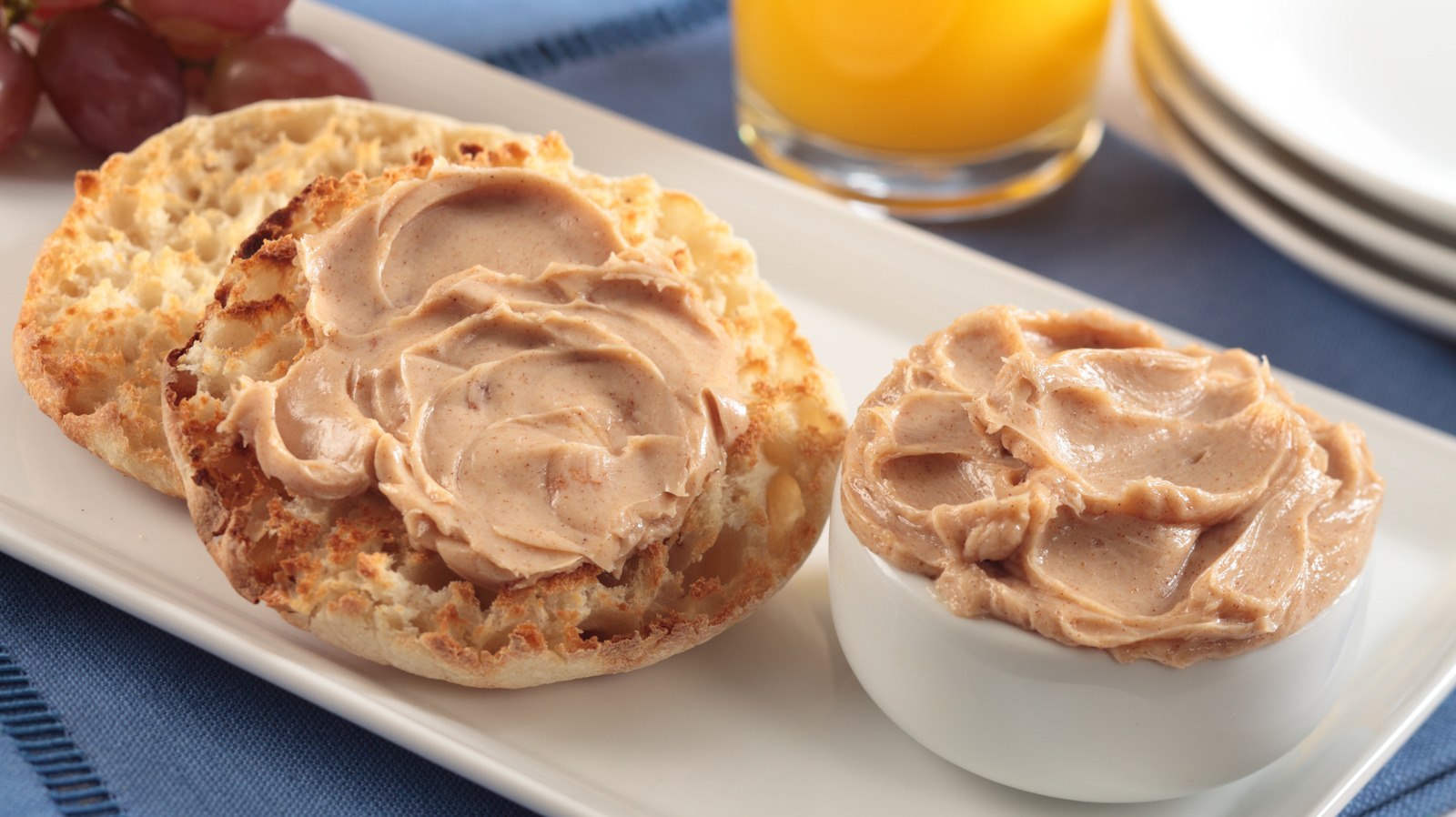
Maple Butter: The Velvety Golden Secret of the Sugar Bush
Imagine a spread so lusciously smooth, so rich in flavor, and so inherently natural that it feels like a gift directly from the forest. That's maple butter – often called maple cream or maple spread – a truly unique confection born from the pure essence of maple syrup. Far from being a mere accompaniment, maple butter stands as a testament to the ingenuity of maple producers, transforming liquid gold into a velvety, dairy-free delight that has captured hearts and palates across North America and beyond. It's not just a topping; it's an experience, offering a concentrated burst of maple goodness with every spoon.
What is Maple Butter? A Pure, Dairy-Free Indulgence
At its core, maple butter is a masterpiece of simplicity: a velvety, spreadable confection made exclusively from 100% pure maple syrup. There are no dairy products, no added fats, and absolutely no artificial ingredients. Its purity is its defining characteristic, making it a naturally vegan, gluten-free, and clean-label alternative to traditional dairy butters and sugary spreads. The sole ingredient is the concentrated sap of maple trees, primarily the mighty sugar maple (Acer saccharum), which gives it its distinctive flavor and unparalleled quality.
This exquisite product traces its origins to Québec, Canada, emerging in the early 1950s. At a time when maple syrup producers sought innovative ways to preserve their harvest and extend its shelf life beyond traditional liquid forms, the technique for creating maple butter was perfected. This coincided with significant advancements in the maple industry, such as the standardized 540 ml canning method, which helped solidify Québec's role as a global leader. Today, Québec remains the epicenter of maple production, accounting for approximately 72% of the world's maple syrup, and consequently, a major force in popularizing maple butter as a versatile culinary staple.
Unlike maple syrup, which maintains a liquid state at about 66.9% sugar content, maple butter undergoes a transformation. Its higher sugar concentration, reaching up to 90% solids, is what gives it its characteristic thick, spreadable consistency. Yet, despite this concentration, it miraculously retains the wealth of natural antioxidants, vital minerals like zinc and manganese, and over 130 bioactive compounds inherently found in maple sap. This makes maple butter - Article 1 not just a delicious treat, but a more wholesome option compared to many other sweet spreads.
The Art and Science of Crafting Maple Butter
The creation of maple butter is a delicate dance between precision and patience, transforming pure maple syrup into its signature creamy texture through a unique crystallization process. It’s a testament to the ingenuity that turns a liquid into a spreadable delight without any additives.
- Concentration: The journey begins by heating 100% pure maple syrup to a precise temperature of approximately 112°C (234°F). This critical step concentrates the natural sugars, evaporating excess water and preparing the syrup for its metamorphosis.
- Rapid Cooling: Once the desired temperature is reached, the hot syrup is rapidly cooled. This is often achieved by placing the container in an ice bath, bringing the temperature down quickly to between 20–35°C (68–95°F). Rapid cooling is paramount, as it encourages the formation of extremely fine sugar crystals, which are crucial for achieving that signature smooth, non-gritty texture.
- Churning and Whipping: The cooled, concentrated syrup is then vigorously churned or whipped with a mixer. This is where the true magic happens. As the syrup is agitated, the fine sugar crystals interlock and grow, transforming the liquid into a dense, opaque, and irresistibly creamy spread that resembles fondant or butter. This process ensures the consistent, velvety texture that defines maple butter.
The primary sugar in maple syrup, sucrose, is responsible for this unique texture. Through controlled crystallization, it forms stable, microscopic crystals that contribute to the smooth consistency without any grittiness. Furthermore, the heating process facilitates Maillard reactions – complex chemical changes involving amino acids and sugars – which deepen the flavor profile, imparting notes of toasted caramel, vanilla, and even subtle nuttiness that complement the inherent maple taste. This intricate process ensures that every jar of maple butter is a pure expression of its single, natural ingredient, making it a truly exceptional culinary product. For those interested in the broader journey of maple products, maple butter - Article 2 offers more insights into the fascinating world of maple syrup production.
Unveiling the Appeal: Why Maple Butter Stands Out
Beyond its delectable taste and creamy texture, maple butter boasts a compelling list of attributes that make it a standout choice for discerning consumers and culinary enthusiasts alike.
- Nutrient-Rich Profile: Unlike many processed spreads, maple butter retains the natural goodness of maple sap. It's a source of essential minerals like zinc and manganese, which play roles in immune function and bone health, respectively. It also contains over 130 beneficial bioactive compounds and antioxidants, contributing to overall well-being.
- Dietary Inclusivity: Its composition of 100% pure maple syrup means it is naturally vegan, dairy-free, and gluten-free. This makes it an ideal alternative for individuals with specific dietary restrictions, allergies, or those simply seeking plant-based options without compromising on flavor or texture.
- Authentic Flavor Purity: With no added sugars or preservatives, maple butter delivers an intensely concentrated, pure maple flavor. The caramel-like notes developed during production enhance its natural sweetness, offering a depth that is both comforting and sophisticated.
- Versatile Grading: Just like maple syrup, maple butter is available in varying grades, which correspond to the color and intensity of the source syrup from which it's made. These grades include:
- Golden (Delicate Taste): Made from lighter syrup, offering a subtle, delicate maple flavor.
- Amber (Rich Taste): The classic, well-balanced maple flavor that is widely popular.
- Dark (Robust Taste): From darker, later-season syrup, providing a strong, robust, and deeply caramelized maple essence.
- Strict Quality Standards: In Canada, where maple butter originated, the production and labeling of maple products are governed by strict regulations to ensure purity and quality. Consumers can trust that products labeled "100% pure maple butter" genuinely contain only concentrated maple syrup, reflecting a commitment to natural excellence.
Culinary Canvas: Creative Ways to Enjoy Maple Butter
The versatility of maple butter extends far beyond a simple spread, opening up a world of culinary possibilities that cater to both sweet and savory palates. Its creamy texture and rich, concentrated flavor make it an indispensable ingredient for creative cooks.
Classic Comforts and Sweet Indulgences:
- Breakfast Bliss: Elevate your morning routine by slathering maple butter on warm pancakes, waffles, crêpes, toast, bagels, or English muffins. Its melt-in-your-mouth texture is simply unparalleled.
- Baking & Desserts: Incorporate it into your baking! Use it as a filling for croissants, turnovers, or homemade doughnuts. Swirl it into plain yogurt, oatmeal, or a bowl of ice cream for an instant upgrade. It can also be softened and used as a decadent frosting for cakes and cupcakes, or even folded into whipped cream for a maple-infused topping.
- Fruit & Cheese Pairings: A dollop of maple butter pairs beautifully with fresh fruit like apples, pears, or berries. For a gourmet experience, try it alongside mild cheeses such as brie or goat cheese, offering a delightful sweet and savory contrast.
Unexpected Savory Applications:
Don't limit maple butter to the sweet side; its robust flavor can brilliantly enhance savory dishes:
- Glazes & Marinades: Melted maple butter makes an exceptional glaze for roasted meats like pork loin, chicken, or salmon, imparting a caramelized crust and a hint of sweetness. Whisk it into marinades for an added layer of flavor.
- Sauces & Dressings: Whisk a spoonful into vinaigrettes for salads, creating a unique sweet-tart dressing. It can also be incorporated into pan sauces for roasted vegetables or a finishing touch for grilled dishes.
- Sandwich Spreads: For an unconventional twist, try a thin layer of maple butter in a turkey or ham sandwich. The natural sweetness can balance salty components beautifully.
Tip: For easier spreading or mixing into recipes, allow maple butter to come to room temperature or gently warm it slightly. A little goes a long way due to its concentrated flavor, so start with a small amount and add more to taste.
Navigating the Maple Butter Market: Grades, Storage, and Purity
Understanding how to select and care for your maple butter ensures you get the most out of this exceptional product.
Identifying Quality and Purity:
The most crucial aspect of purchasing maple butter is to ensure its purity. Authentic maple butter should list only one ingredient: "100% pure maple syrup." Any other ingredients, especially dairy, fats, or artificial flavors, indicate it is not true maple butter or maple cream. Consumers can rely on the stringent Canadian standards that regulate maple products, providing assurance of quality and authenticity.
Understanding Grades:
As mentioned, maple butter inherits the grading system of its source syrup, typically categorized by color and flavor intensity:
- Golden, Delicate Taste: Made from the earliest sap, it offers a lighter color and a subtle, almost floral maple flavor. Excellent for delicate pastries or as a gentle spread.
- Amber, Rich Taste: The most common and versatile grade, with a beautiful amber hue and a classic, well-rounded maple flavor. Perfect for everyday use and most recipes.
- Dark, Robust Taste: Derived from later-season sap, this grade has a deep color and a strong, pronounced maple and caramel flavor. Ideal for glazes, savory applications, or for those who prefer an intense maple experience.
Experimenting with different grades can open up new dimensions of flavor in your culinary creations.
Optimal Storage and Shelf Life:
Maple butter is typically packaged in sealed jars, which are often shelf-stable before opening. Once opened, however, it is best to store maple butter in the refrigerator. While it won't spoil quickly at room temperature, refrigeration helps maintain its optimal consistency and extends its freshness, preventing any separation or crystallization issues over time. Stored properly in the fridge, an opened jar can last for several months. If it hardens slightly in the cold, simply let it sit at room temperature for a while or gently warm it to regain its creamy spreadability.
By keeping these tips in mind, you can confidently choose, store, and enjoy the pure, unadulterated pleasure that is maple butter, a true emblem of North American culinary tradition.
Conclusion
Maple butter is more than just a sweet spread; it's a celebration of nature's bounty and human ingenuity. From its humble origins in Québec to its revered status as a global delicacy, this dairy-free, velvety confection embodies purity, versatility, and an unparalleled depth of flavor. Whether you're enhancing a simple breakfast, experimenting with gourmet desserts, or adding a unique twist to savory dishes, maple butter offers a wholesome, delicious alternative that stands in a class of its own. Embrace the rich heritage and exceptional taste of this pure maple product, and discover how this golden secret can transform your culinary landscape.
