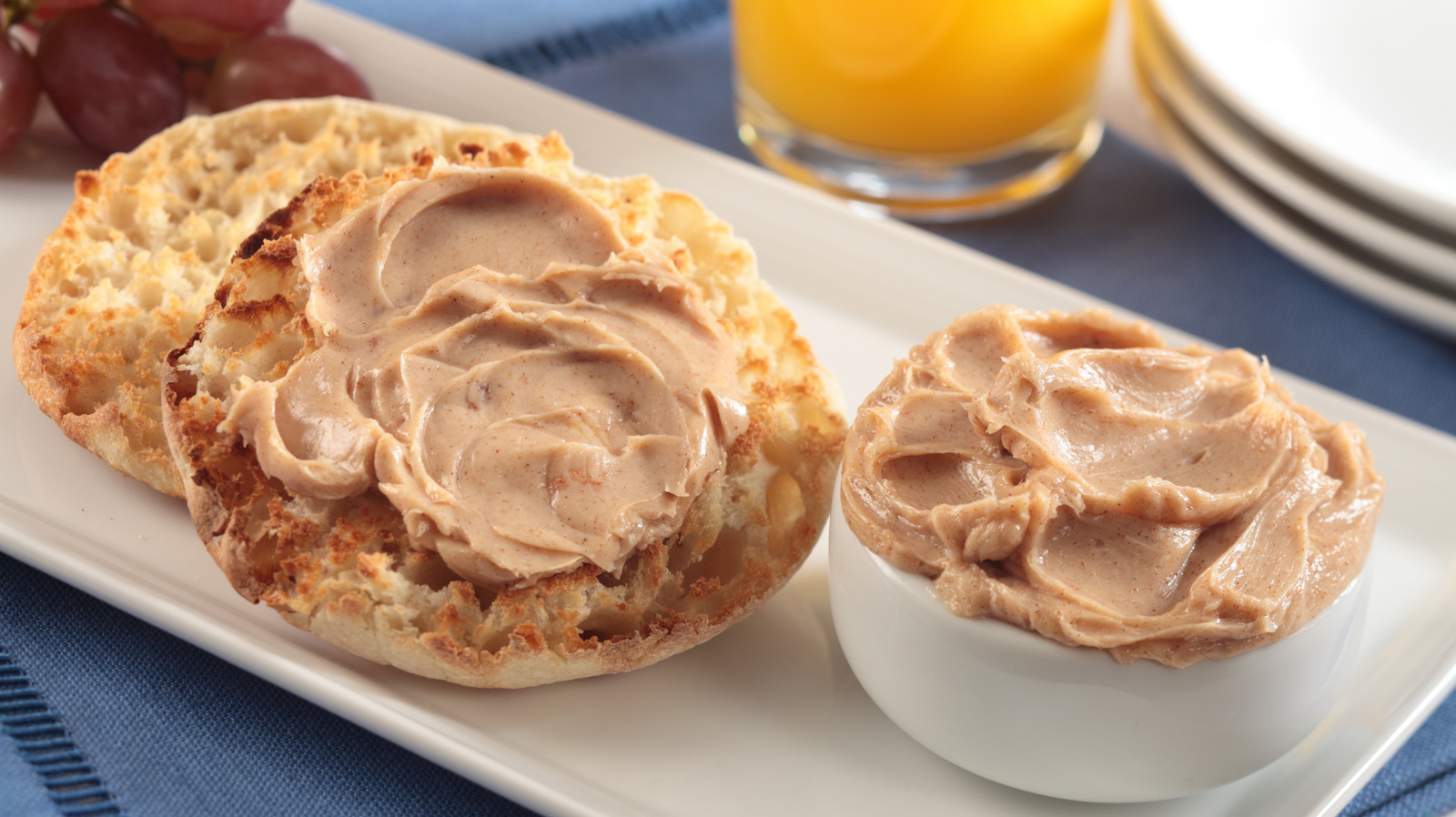
The Irresistible Allure of Maple Butter: A Pure Taste of Nature
Imagine a spread so velvety smooth, so richly flavored, and so utterly natural that it captures the essence of a pristine forest in every spoonful. This is the magic of maple butter, a unique confection also known as maple cream or maple spread. Far from being a dairy product, this luxurious treat is crafted exclusively from one ingredient: 100% pure maple syrup. Its exquisite taste and remarkable versatility have cemented its place as a cherished staple in kitchens across North America and beyond, offering a concentrated burst of authentic maple flavor that's both wholesome and incredibly satisfying.What Exactly is Maple Butter? Unveiling the Production Process
At its heart, maple butter is a marvel of natural transformation. Unlike its liquid counterpart, maple syrup, this dairy-free delight boasts a thick, creamy, and wonderfully spreadable consistency, akin to a soft fondant. The secret lies in a precise, traditional process that converts pure maple syrup into this distinct texture without the addition of any fats, oils, or artificial ingredients. The journey begins with pure maple syrup, harvested primarily from the sap of the sugar maple tree (Acer saccharum). This golden liquid is then carefully heated to a specific temperature, typically around 112°C (234°F). This controlled heating process serves to evaporate excess water, thereby concentrating the natural sugars within the syrup. Once the desired concentration is achieved, the magic truly begins: the superheated syrup is rapidly cooled. This crucial step is often performed by immersing the hot container in an ice bath, bringing the temperature down quickly to approximately 20–35°C (68–95°F). The rapid cooling is vital as it prevents the formation of large, gritty sugar crystals. Instead, it prepares the syrup for the final, transformative stage: churning or whipping. Using a mixer, the cooled, concentrated syrup is vigorously agitated. This mechanical action, combined with the precise temperature control, encourages the sucrose—the primary sugar in maple syrup—to crystallize into incredibly fine, stable crystals. The result is a smooth, homogeneous texture that melts effortlessly on the tongue, retaining all the rich, nuanced flavor of its maple syrup origin. This remarkable physical change, achieved through pure physical processes, highlights the ingenuity of maple producers in creating such a unique and beloved product.A Rich Heritage: The Origins and Global Impact of Maple Butter
The story of maple butter is deeply intertwined with the innovative spirit of Québec, Canada, a region synonymous with maple production. While maple syrup has been a part of North American indigenous cultures and early settlers for centuries, the specific innovation of maple butter as we know it today emerged in Québec in the early 1950s. During this era, maple producers were actively seeking new and effective preservation techniques to extend the shelf life and versatility of their precious maple syrup beyond its traditional liquid form. This quest coincided with significant advancements in food preservation, including the standardization of canning methods, such as the widely adopted 540 ml size for maple syrup. The development of maple butter represented a brilliant solution, offering a stable, spreadable product that could be stored and enjoyed for longer periods, tapping into new culinary possibilities. Today, Québec remains at the epicenter of the global maple industry. As of recent data, the province accounts for an astounding 72% of the world's maple syrup production, playing an undeniably pivotal role in popularizing maple butter as a versatile and celebrated staple. Its enduring appeal has spread across North America, becoming a hallmark of culinary tradition, particularly in the established maple sugaring regions of eastern Canada and the northeastern United States. The production of this pure delicacy is even regulated under strict standards in Canada to ensure its purity and quality, with grading often based on color and flavor intensity, from extra light to robust dark varieties. This commitment to authenticity ensures that every jar of maple butter delivers a consistent, high-quality experience.Beyond Sweetness: Nutritional Profile and Flavor Nuances
While undeniably a sweet treat, maple butter offers more than just indulgence. Crafted from 100% pure maple syrup, it naturally inherits many of the beneficial compounds found in the sap of the maple tree. Unlike many processed spreads, maple butter is free from added sugars, artificial preservatives, or dairy, making it a naturally wholesome choice. From a nutritional perspective, pure maple syrup—and by extension, maple butter in its concentrated form—contains naturally occurring antioxidants. These include polyphenols, which contribute to its overall health profile. It also provides essential minerals such vital to bodily functions, such as zinc and manganese. In fact, researchers have identified over 130 bioactive compounds within maple sap, many of which are retained in the final concentrated product. The unique concentration of maple butter, reaching up to 90% solids compared to maple syrup's approximately 66.9% sugar content, not only gives it its characteristic thicker, spreadable texture but also intensifies its flavor profile. The rich, caramel-like taste is developed through complex Maillard reactions occurring during the syrup's concentration process. These reactions, involving amino acids and sugars, impart a delightful symphony of notes, including toasted caramel, warm vanilla, and subtle nuttiness. Furthermore, maple butter is available in varying grades, each corresponding to the color and intensity of the original maple syrup from which it was made. These grades reflect different points in the harvest season:- Golden Color, Delicate Taste: Often produced from sap collected early in the season, offering a very light, subtle maple flavor.
- Amber Color, Rich Taste: The most common and classic grade, providing a balanced and robust maple flavor profile.
- Dark Color, Robust Taste: Made from sap collected later in the season, yielding a strong, pronounced caramel-forward flavor, perfect for those who love intense maple notes.
Unlocking Maple Butter's Versatility: Culinary Uses and Tips
The charm of maple butter lies not only in its exquisite taste but also in its incredible versatility in the kitchen. Its smooth texture and concentrated flavor make it an ideal ingredient for both sweet and savory applications, transforming ordinary dishes into extraordinary culinary experiences.Classic Sweet Applications:
- Breakfast Staple: Spread generously on warm toast, fluffy pancakes, crispy waffles, or fresh muffins for a decadent start to your day.
- Dessert Enhancer: Use it as a filling for pastries, a frosting for cakes and cupcakes, a swirl in cheesecakes, or a natural sweetener for homemade ice cream. It also makes an exceptional topping for baked apples or pears.
- Ingredient in Baking: Incorporate it into cookie dough, granola bars, or even bread recipes for a subtle yet distinct maple undertone.
Creative Savory Pairings:
- Glazes and Marinades: Its natural sweetness and viscosity make it perfect for glazing roasted meats like pork loin, chicken, or salmon. A simple mixture of maple butter, Dijon mustard, and a touch of vinegar creates an unforgettable glaze.
- Sauces and Dressings: Whisk it into salad dressings for a sweet counterpoint to tart vinaigrettes, or melt it into a pan sauce to accompany roasted vegetables or seared scallops.
- Cheese Boards: Pair it with sharp cheddar, creamy goat cheese, or nutty aged cheeses for a sophisticated appetizer.
Beverage and Snack Ideas:
- Stir-Ins: Dissolve a spoonful into your morning coffee or tea for a natural sweetener, or blend it into smoothies for added flavor and creaminess.
- Fruit Dip: A delightful dip for apple slices, bananas, or berries.
- Sandwich Spread: A delicious and healthy alternative to other spreads in sandwiches, especially when paired with nut butters.
Tips for Storage and Enjoyment:
To maintain its perfect consistency and flavor, store maple butter at room temperature in a cool, dry place if unopened. Once opened, refrigeration is recommended to prolong its freshness and prevent separation, though it may firm up slightly. If refrigerated, simply allow it to come to room temperature for a few minutes or gently warm it slightly to restore its soft, spreadable texture. Always ensure the lid is tightly sealed to preserve its delicate aroma and prevent it from drying out.
Whether you're a long-time fan or new to its charms, maple butter offers a unique and pure taste experience. Its natural goodness, combined with its dairy-free, gluten-free, and vegan properties, makes it a popular alternative to conventional spreads, appealing to a wide range of dietary preferences. Enjoy the concentrated flavor and natural benefits that only this exquisite maple confection can provide.
Conclusion
From its humble origins in Québec to its widespread acclaim today, maple butter stands as a testament to the simple elegance of natural ingredients and innovative craftsmanship. This velvety, dairy-free confection, made exclusively from 100% pure maple syrup, offers a concentrated burst of rich, caramel-like flavor, imbued with natural antioxidants and minerals. Its unique production process, transforming liquid gold into a luscious spread, reflects a deep appreciation for the maple tree's bounty. Versatile enough for both sweet and savory dishes, and a cherished part of North American culinary heritage, maple butter truly embodies a pure and wholesome taste of nature, ready to elevate any meal or snack.
