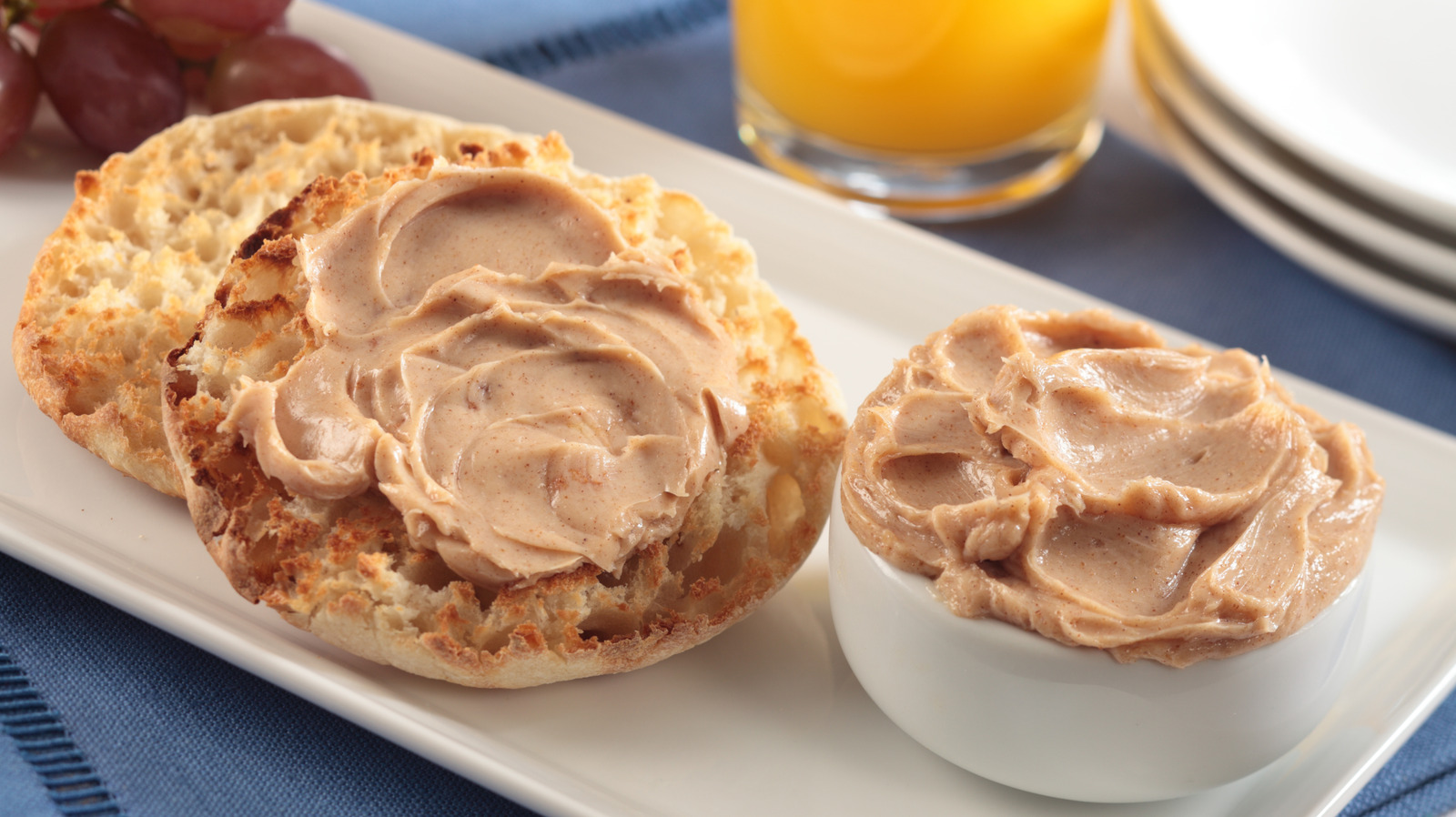
Discover the Velvety Delight of Maple Butter: A Pure Taste of Nature
In the world of natural sweeteners and spreads, few confections captivate the palate quite like maple butter. Also affectionately known as maple cream or maple spread, this extraordinary creation is a testament to the ingenuity of maple producers and the unparalleled richness of pure maple syrup. Far from being a dairy product, maple butter is a remarkably smooth, dairy-free, and velvety spread crafted exclusively from 100% pure maple syrup, showcasing the transformative power of a single, magnificent ingredient.
Originating from the luscious sap of maple trees, primarily the iconic sugar maple (Acer saccharum), maple butter offers a concentrated burst of that beloved, distinct maple flavor. It's a culinary marvel that combines the natural goodness of the forest with a luxurious texture, making it an indispensable staple for connoisseurs and a delightful discovery for newcomers. Dive into the world of maple butter and uncover what makes this spread a truly unique and healthful indulgence.
What Exactly is Maple Butter? Unpacking its Unique Identity
At its core, maple butter is a marvel of simplicity and natural transformation. Unlike traditional butter, it contains absolutely no dairy, animal fats, or artificial additives. Its sole component is pure maple syrup, which undergoes a precise process to achieve its signature smooth, spreadable consistency. Where maple syrup remains a liquid with approximately 66.9% sugar content, maple butter boasts a higher concentration, reaching up to 90% solids. This elevated sugar density, paired with fine crystallization, gives it that desirable "butter-like" texture without any grittiness, resembling a rich fondant.
The flavor profile of maple butter is equally distinctive. It's a deep, rich caramel-like experience, often featuring delightful notes of toasted vanilla and a subtle nuttiness. These complex flavors aren't added but are naturally developed through Maillard reactions that occur between amino acids and sugars during the syrup's concentration process. Furthermore, like its liquid counterpart, maple butter retains the inherent goodness of maple sap, including natural antioxidants, essential minerals like zinc and manganese, and over 130 beneficial bioactive compounds.
Just like maple syrup, maple butter is available in various grades, reflecting the color and intensity of the source syrup from which it's made. You might encounter:
- Golden (Delicate Taste): Made from syrup harvested earlier in the season, offering a light, subtle maple flavor.
- Amber (Rich Taste): The classic, well-balanced maple flavor that many associate with pure maple.
- Dark (Robust Taste): From later harvests, this grade provides a strong, more pronounced caramel-forward maple taste, perfect for those seeking intense flavor.
The Craft of Creating Maple Butter: A Sweet Transformation from Forest to Jar
The journey from raw maple sap to luscious maple butter is a fascinating display of traditional knowledge combined with precise technique. This culinary alchemy originated in Québec, Canada, in the early 1950s. At that time, maple producers were innovating new preservation methods to extend the shelf life and versatility of maple syrup beyond its traditional liquid form, coinciding with advancements like the standardized 540 ml canning method. Québec, which accounts for approximately 72% of global maple syrup production as of 2024, played a pivotal role in perfecting and popularizing this delightful spread.
The creation process, while seemingly simple, requires skill and attention to detail:
- Concentration: Pure maple syrup is first heated to a precise temperature, typically around 112°C (234°F). This step concentrates the sugars and triggers the Maillard reactions responsible for the distinctive caramel notes.
- Rapid Cooling: Immediately after reaching the target temperature, the hot syrup is rapidly cooled. This is often achieved by placing the container in an ice bath, bringing the temperature down quickly to between 20–35°C (68–95°F). Rapid cooling is crucial to prevent large sugar crystals from forming, which would result in a grainy texture.
- Churning and Whipping: Once cooled, the concentrated maple is vigorously churned or whipped with a mixer. This mechanical agitation encourages the formation of countless tiny sugar crystals, causing the mixture to crystallize into a smooth, thick, and perfectly spreadable consistency. The process continues until the mixture transforms from a clear liquid to an opaque, creamy spread, resembling fondant.
This meticulous process ensures that every jar of maple butter delivers a consistent, velvety texture and an intensely concentrated maple flavor, without any need for external dairy or emulsifiers. It's a testament to the purity and natural properties of maple syrup itself.
Culinary Versatility: Spreading Sweetness and Flavor Beyond Breakfast
While often associated with breakfast staples, maple butter's concentrated flavor and unique texture open up a world of culinary possibilities. Its versatility makes it a celebrated ingredient in kitchens across North America and beyond, offering a natural, unadulterated sweetness without the need for added sugars or preservatives.
Popular Uses for Maple Butter:
- Breakfast & Brunch: The classic pairing. Spread generously on pancakes, waffles, French toast, muffins, croissants, or bagels. It melts beautifully into warm baked goods, adding a luxurious glaze.
- Baking & Desserts:
- Use as a decadent filling for tarts, pastries, and cakes.
- Swirl into cheesecake batter or frosting for a distinct maple twist.
- Dollop on ice cream, fruit crisps, or baked apples.
- Incorporate into cookie dough or energy bars for natural sweetness.
- Savory Dishes: Don't limit maple butter to sweets! Its rich, caramel notes can elevate savory preparations:
- Create delectable glazes for roasted meats like ham, pork loin, or chicken.
- Whisk into salad dressings or marinades for a touch of sweet complexity.
- Stir into winter squash purees or sweet potato casseroles.
- Spread on warm cornbread or biscuits for a sweet and savory contrast.
- Beverages: Dissolve a spoonful into hot coffee, tea, or warm milk for a comforting, naturally sweetened drink. It also makes an incredible addition to milkshakes or smoothies.
- Straight from the Spoon: For many, the ultimate way to enjoy maple butter is simply by the spoonful, savoring its pure, intense flavor.
Its naturally gluten-free and vegan composition makes it an excellent alternative to dairy butters and spreads, catering to a wide range of dietary preferences. For more creative ideas and recipes, explore maple butter - Article 2.
The Healthful Indulgence: Why Choose Maple Butter?
Beyond its incredible taste and versatility, maple butter stands out as a more healthful indulgence compared to many other spreads. As a product made exclusively from 100% pure maple syrup, it carries over the inherent nutritional benefits of maple sap.
- Rich in Nutrients: It naturally contains antioxidants, which help combat oxidative stress in the body. Essential minerals like zinc and manganese, vital for immune function and bone health, are also present. Additionally, maple sap boasts over 130 bioactive compounds, many of which are beneficial polyphenols.
- Natural & Pure: With no added sugars, preservatives, or artificial colors, maple butter is a truly natural product. It offers sweetness derived purely from the earth, free from the complexities of refined sugars.
- Dietary-Friendly: Being inherently vegan, gluten-free, and dairy-free, it's an inclusive option for those with dietary restrictions or preferences, offering a delicious alternative to traditional spreads.
- Regulated Quality: In Canada, where maple butter originated and thrives, the product is regulated under strict standards to ensure its purity and quality. Grading based on color and flavor guarantees consumers receive an authentic product.
When purchasing maple butter, always look for labels that explicitly state "100% pure maple syrup" as the sole ingredient. Store unopened jars in a cool, dark place, and once opened, it's best to refrigerate them to maintain freshness and prevent crystallization, which can sometimes occur if exposed to temperature fluctuations.
Conclusion
Maple butter is more than just a spread; it's a celebration of pure maple, a culinary tradition, and a testament to natural sweetness. From its humble origins in Québec to its widespread appreciation today, this velvety confection offers a uniquely rich and satisfying flavor experience. Whether you're spreading it on your morning toast, incorporating it into gourmet desserts, or experimenting with savory dishes, maple butter provides a concentrated taste of nature's bounty. Its pure, wholesome character, coupled with its delicious versatility, ensures that maple butter remains a beloved staple and a healthful indulgence for discerning palates around the globe.
